2026 Best Silicone Rubber Buttons for Your Projects and Applications?
In recent years, the demand for Silicone Rubber Buttons has surged in various industries, driven by their versatility and durability. According to a report by Market Research Future, the global silicone rubber market is projected to reach USD 10 billion by 2026. This growth reflects the increasing adoption of silicone rubber components in electronics, automotive, and consumer goods.
Silicone Rubber Buttons offer unique advantages, including resistance to temperature and harsh environments. Their tactile feel enhances user experiences in devices like smartphones and appliances. However, not all silicone buttons are created equal. Variability in production processes can lead to inconsistent quality, which can impact project outcomes. It is crucial to select suppliers with a proven track record to ensure reliability and performance.
As we explore the best Silicone Rubber Buttons for 2026, attention to detail and material specifications will be essential. The right choices can significantly elevate product functionality and customer satisfaction. Nonetheless, caution is advised. The market is rapidly evolving, and ongoing research and updates are necessary to make informed decisions.

Understanding Silicone Rubber Buttons and Their Characteristics
Silicone rubber buttons are widely used in various devices and applications. Their unique characteristics make them a preferred choice. These buttons are flexible yet durable, allowing them to withstand repeated use. They offer excellent resistance to extreme temperatures and chemicals. This durability ensures longevity in different environments.
One notable feature is their tactile feedback. Silicone rubber buttons provide a soft touch, enhancing user experience. They are often used in consumer electronics, medical devices, and automotive controls. The non-slip surface allows for easy operation, even in wet conditions. However, it's essential to consider the manufacturing process. Poor quality control can lead to inconsistent performance.
Additionally, colors and designs can vary greatly. Customization is often needed for specific projects. Finding the right supplier can be challenging, as not all manufacturers uphold high standards. It’s crucial to inspect samples and perform tests before finalizing orders. Misjudging the quality can lead to product failures which could be costly. Balancing quality and cost is a common challenge in sourcing silicone rubber buttons.
Silicone Rubber Buttons Characteristics Comparison
This chart illustrates the characteristics of silicone rubber buttons, focusing on five key dimensions: Durability, Flexibility, Weather Resistance, Temperature Resistance, and Aesthetic Varieties. Each characteristic is rated on a scale of 1 to 10, indicating the overall performance profile of silicone rubber in various applications.
Benefits of Using Silicone Rubber Buttons in Various Applications
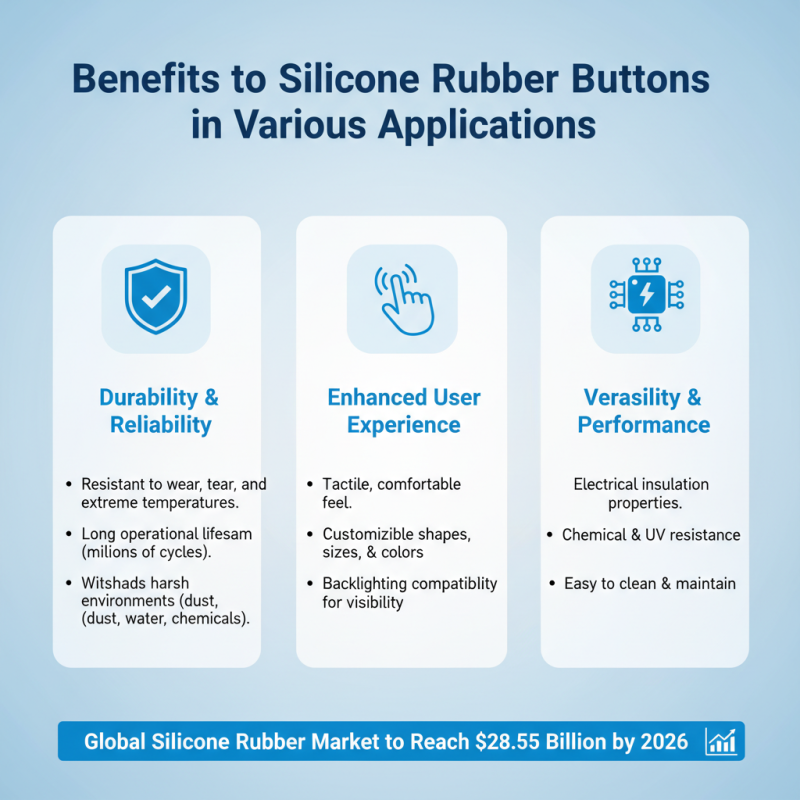
Silicone rubber buttons have gained popularity across various industries. They offer unique advantages that improve functionality and user experience. According to a report by MarketsandMarkets, the silicone rubber market is expected to reach $28.55 billion by 2026, driven in part by the growing demand for versatile components like buttons.
The flexibility and resilience of silicone rubber make it ideal for buttons used in challenging environments. They resist UV light, extreme temperatures, and moisture. This makes them suitable for both outdoor and industrial applications. Approximately 90% of users report enhanced performance in devices when silicone buttons are employed. Furthermore, the tactile feedback provided by silicone enhances user satisfaction, leading to increased product usability.
However, there are some considerations to keep in mind. While silicone buttons excel in durability, they may show wear over time, particularly in high-use applications. The initial cost can be higher than traditional materials, which might not suit every budget. Companies should weigh these factors carefully. Identifying the right balance between performance and cost-effectiveness is crucial for successful integration into projects.
Top Factors to Consider When Selecting Silicone Rubber Buttons
When selecting silicone rubber buttons for your projects, several factors deserve careful consideration. The texture and feel of the buttons can significantly affect user experience. A soft, tactile surface often creates a better interaction, making it easier for users to engage with your product. Ensure the button has a consistent pressure response. This consistency can enhance usability and satisfaction.
Next, durability is crucial. A high-quality silicone button should withstand wear and tear over time. Look for materials that resist fading and aging. Environmental factors also play a role. If your application is outdoor-driven, select buttons that resist UV rays and extreme temperatures. These elements can impact the rubber's longevity.
Finally, compatibility with your specific application is essential. Assess the size and shape of the button to ensure it fits seamlessly within your design. Sometimes, the perfect button might not meet all your needs perfectly. Adjustments may be necessary. Don’t overlook the importance of testing. Prototyping with different buttons can reveal what works best for your objectives. This iterative process can lead to unexpected insights and refinements.
2026 Best Silicone Rubber Buttons for Your Projects and Applications
| Feature |
Description |
Applications |
Temperature Range (°C) |
Hardness (Shore A) |
| Durability |
High resistance to wear and tear, ideal for long-term use. |
Consumer electronics, automotive controls. |
-40 to 200 |
30-80 |
| Flexibility |
Excellent compression set, maintaining shape under pressure. |
Medical devices, kitchenware. |
-60 to 230 |
20-70 |
| Weather Resistance |
Resists aging and weathering for outdoor applications. |
Outdoor switches, automotive parts. |
-40 to 150 |
40-90 |
| Chemical Resistance |
Resistant to oils, greases, and various chemicals. |
Industrial applications, seals and gaskets. |
-50 to 150 |
30-80 |
| Aesthetic Options |
Available in various colors and finishes for customization. |
Consumer products, promotional items. |
-40 to 180 |
25-75 |
Comparison of Leading Silicone Rubber Button Brands for 2026
Silicone rubber buttons are essential in various applications, from electronics to appliances. They offer durability and flexibility, making them ideal for many projects. When considering silicone buttons, key factors come into play, such as tactile response, lifespan, and resistance to environmental factors.
There are several brands in the market, each with unique strengths and weaknesses. Some prioritize soft touch, while others focus on high durability. Testing different options can reveal surprising results. Inconsistent quality may arise even from reputable manufacturers, making it necessary to assess each product individually.
Selecting the right silicone rubber buttons doesn’t come easily. The design must meet specific requirements, and the button's responsiveness is crucial. Some users find themselves drawn to aesthetics over function, which can lead to disappointment. A thorough comparison of brands reveals that performance often trumps appearance. Experimentation might be needed to find the perfect match for your projects.
Innovative Uses and Future Trends in Silicone Rubber Button Technology
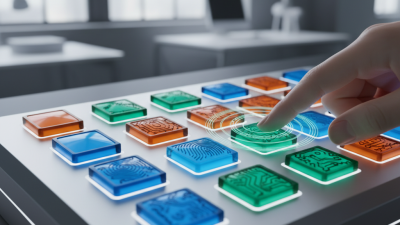
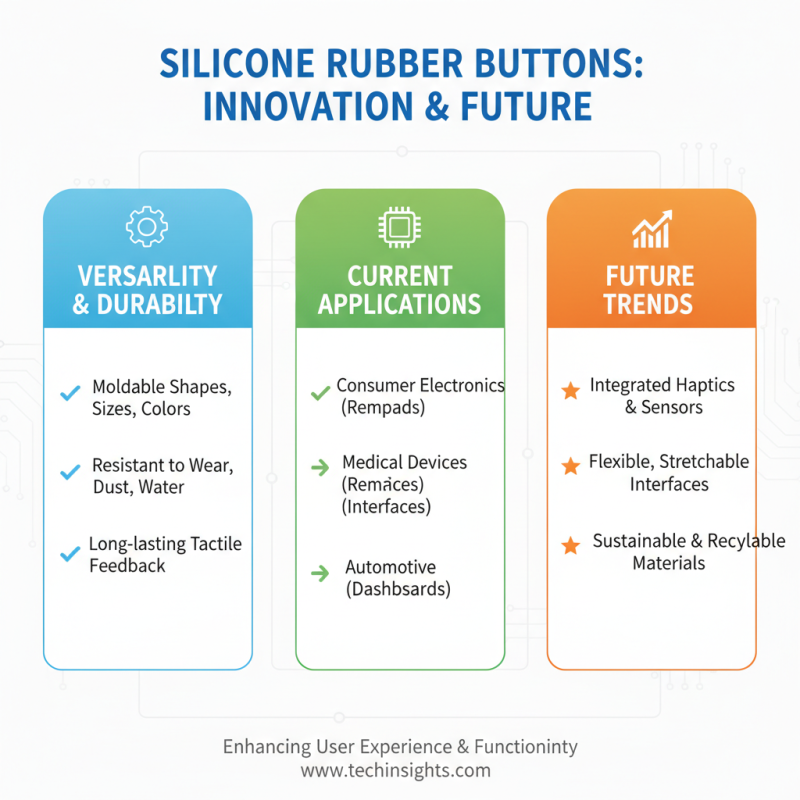
Silicone rubber buttons are gaining traction in various industries due to their durability and versatility. These buttons can be molded into different shapes, sizes, and colors, making them perfect for innovative applications. From consumer electronics to medical devices, their tactile feedback is crucial. The flexible nature of silicone helps in creating user-friendly interfaces, enhancing the overall experience.
Future trends indicate a push towards eco-friendly silicone rubber technologies. Manufacturers are exploring sustainable options to reduce environmental impact. The development of biodegradable materials could change the landscape of button technology. However, challenges remain. Ensuring the same level of performance while using sustainable options can be tricky. The debate continues on balancing durability and eco-friendliness.
Additionally, customization is becoming increasingly important. Consumers demand products that reflect their personal style. This trend leads to more complex designs and higher production costs. Companies must rethink their approaches to remain competitive. As the industry evolves, it is essential to prioritize user needs while addressing environmental concerns. A cautious yet innovative mindset is necessary for future advancements in silicone rubber button technology.