Why Choose Liquid Rubber for Your Next Project?
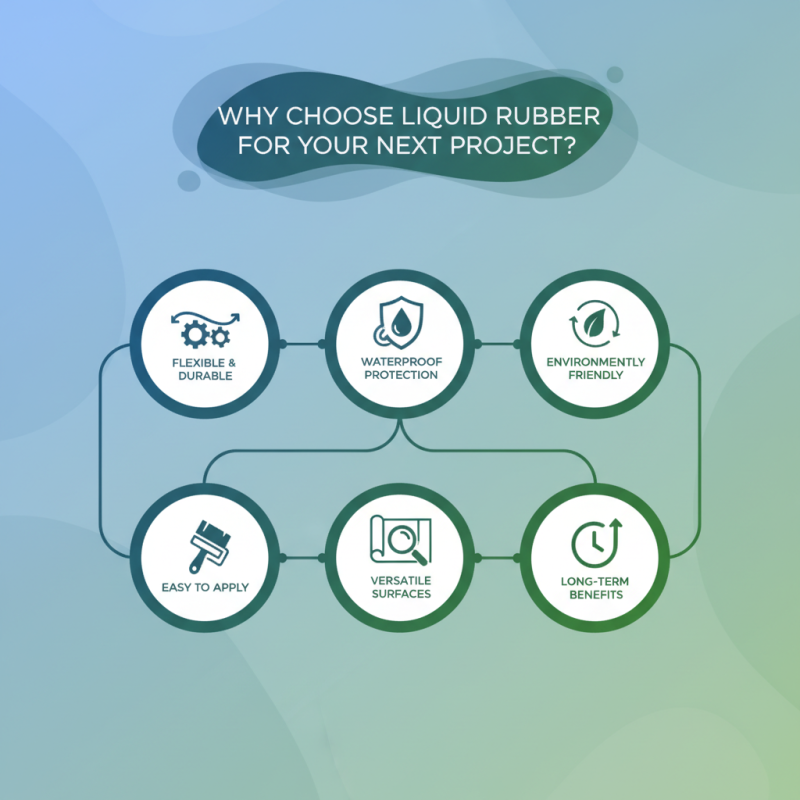
When considering materials for your next project, Liquid Rubber stands out as a versatile choice. This innovative solution is not only flexible but also highly durable. It can adapt to various surfaces, making it suitable for roofing, waterproofing, and even protective coatings.
Liquid Rubber offers reliable waterproof protection. This characteristic is crucial for outdoor applications. Additionally, it is environmentally friendly, which appeals to eco-conscious consumers. Many users have found it easy to apply. However, achieving the perfect finish may take some practice.
Understanding these aspects can enhance your project’s outcome. Expert reviews often highlight how Liquid Rubber simplifies complex tasks. With its growing popularity, it is essential to consider the long-term benefits it brings. Each project poses unique challenges, and Liquid Rubber can help address them effectively.
Benefits of Liquid Rubber: Durability and Longevity in Applications
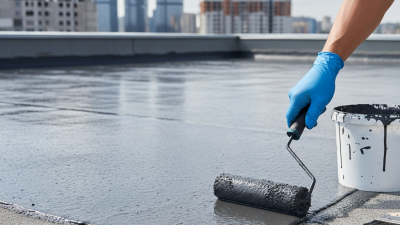
Liquid rubber is becoming a popular choice for various projects. Its durability and longevity are standout features. Whether it's roofing, waterproofing, or industrial applications, liquid rubber offers superior protection. The seamless application creates a robust barrier against moisture and environmental damage.
Tips for application: ensure the surface is clean and dry. This step is crucial for adhesion. Even minor debris can compromise the integrity of the bond. Mixing the liquid rubber thoroughly is also key. Inadequate mixing may lead to uneven curing and reduce performance.
Another benefit is its flexibility. Liquid rubber can expand and contract with temperature changes, reducing the risk of cracks. It's essential to consider the thickness during application. Too thin a layer may not provide adequate protection, while too thick can lead to pooling and inefficiencies. Regular maintenance checks are advisable, as wear over time is inevitable, even with durable materials.
Versatility of Liquid Rubber: Use Cases Across Various Industries
Liquid rubber has gained popularity due to its versatility across various industries. In construction, it serves as a reliable waterproofing solution. A 2022 report by the Global Waterproofing Membrane Market predicts a growth to $45 billion by 2027. This indicates a rising demand for effective materials like liquid rubber. Its ability to form seamless barriers makes it ideal for roofs, basements, and even pools.
Manufacturing benefits from liquid rubber as well. Its flexibility and durability allow it to be used in automotive components. A recent study highlighted that over 30% of automotive manufacturers are shifting to elastic materials for better performance. The ease of application often leads to faster production times—a critical factor in today's fast-paced market. However, some users face challenges with application consistency, which can affect performance.
In the agricultural sector, liquid rubber protects crops by creating resilient barriers against pests and weather. Reports suggest a 25% increase in yield for farms using protective coatings. Although promising, some growers noted that curing times can vary, leading to delays. This highlights the need for careful planning. Overall, liquid rubber offers unparalleled versatility, but users should consider the nuances of its application to maximize benefits.
Environmental Impact: Eco-Friendly Aspects of Liquid Rubber Solutions
Liquid rubber is increasingly recognized for its eco-friendly properties. Unlike traditional materials, it is made from renewable resources. Many formulations are free from harmful solvents and volatile organic compounds (VOCs). A report by the Environmental Protection Agency indicates that reducing VOCs can significantly improve air quality. This is crucial for both the environment and human health.
Moreover, liquid rubber’s durability contributes to its sustainability. Its long lifespan reduces the need for frequent replacements. The National Resources Defense Council emphasizes that durable materials can decrease waste in landfills. Even so, some installation methods can generate waste, which is an area needing improvement. Designers and contractors must be mindful of how they apply these solutions.
One challenge remains: the recycling of liquid rubber. While it’s beneficial, not all companies practice recycling effectively. According to a study by the Green Building Council, better infrastructure is essential for enhancing recycling efforts. This gap highlights the need for continuous innovation and collaboration among industry stakeholders. Addressing these issues can further amplify the environmental benefits of liquid rubber products.
Cost-Effectiveness: Analyzing the Economic Advantages Over Alternatives
When considering cost-effectiveness for your next project, liquid rubber offers distinct economic advantages. A recent industry report indicated that liquid rubber can reduce project costs by up to 30% compared to traditional materials. This is primarily due to its lower material costs and quick application rates, reducing labor expenses. Additionally, liquid rubber's durability translates into fewer maintenance needs, allowing for long-term savings.
Tips for maximizing your investment include conducting an upfront cost analysis. Evaluate the total cost of ownership, not just initial expenses. Liquid rubber may require a larger upfront investment, but its lifespan, often exceeding 20 years, can compensate for these costs. Furthermore, assessing your local climate and project needs can help you utilize its properties effectively.
Another consideration is waste reduction during application. Liquid rubber can be applied precisely, minimizing overuse of materials. This not only lowers costs but also supports sustainable practices, which are increasingly critical in today’s eco-conscious market. However, careful handling and application are necessary to avoid excessive waste or application errors, which could negate some savings.
Performance Metrics: Comparing Liquid Rubber to Traditional Coatings and Sealants
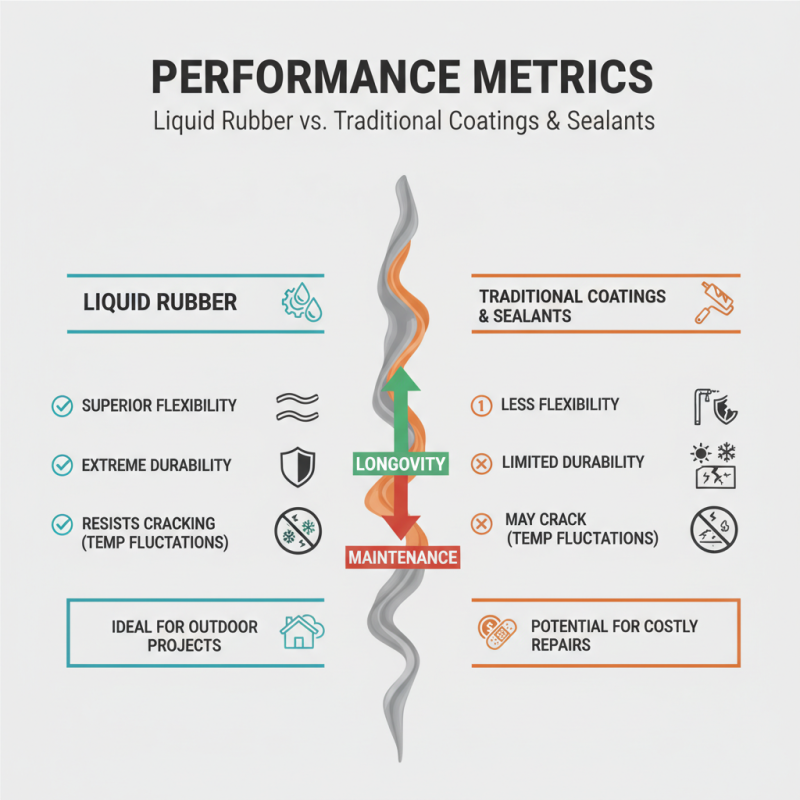
When evaluating liquid rubber against traditional coatings and sealants, performance metrics reveal significant differences. Liquid rubber excels in flexibility and durability. It can withstand temperature fluctuations and resist cracking over time. This is crucial for outdoor projects exposed to the elements. Many traditional sealants may fail under similar conditions, leading to costly repairs.
The application process also varies. Liquid rubber can be applied seamlessly, creating a uniform barrier. Traditional coatings might require multiple layers, increasing labor and material costs. Moreover, liquid rubber bonds effectively to various substrates. This versatility can simplify project planning. However, the initial preparation may demand more attention. Surface imperfections need careful assessment to ensure proper adhesion.
While liquid rubber shows promise, there are caveats. Ventilation is essential during application. Inadequate airflow can lead to issues with curing. Some users report learning curves in the application process. Practicing on small areas helps build confidence. Each project has its unique challenges, and recognizing this can enhance the final outcome.